
Review · BREWERY TOURS
Korean Brewery
Traditional drinks, local food, one memorable evening. Seoul’s Korean Brewery experience brings you into a working artisan workshop, then to a small restaurant for a generous Korean meal. You taste makgeolli, yakju, and soju while a 10th-generation brewmaster explains how rice becomes each drink. I especially like the small-group setting and the chance to meet a family brewmaster rather than simply sit at a bar. The dinner, with doenjang jjigae, jeon, bossam, side dishes, and premium makgeolli, is another strong point.
The main drawback is practical: the meeting point at 165 Anguk-dong can be difficult to find if you do not know central Seoul well. One participant had trouble with the directions and wisely left early. You also need to be comfortable walking through Bukchon and Insadong, and the tasting is not suitable for anyone under 21.
Key points to know before booking
- Meet a 10th-generation artisan: The brewmaster uses a secret family recipe and has been designated a Human National Treasure by the city of Seoul.
- Taste three classic Korean drinks: Sample makgeolli, yakju, and soju while learning how their alcohol levels and production methods differ.
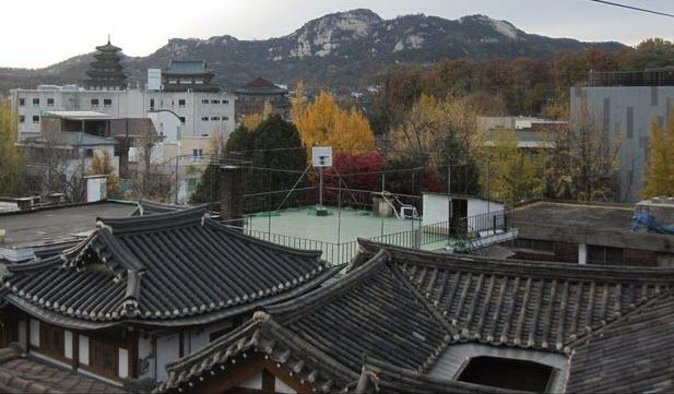
- Walk through Bukchon and Insadong: The route links traditional houses, craft workshops, the brewery, and the restaurant.
- Eat a full Korean dinner: Expect doenjang jjigae, jeon, bossam, side dishes, and more makgeolli.
- Keep the group small: Bookings allow up to 12 people, although the tour description also refers to a limit of 15.
- Allow two and a half hours: The experience begins and ends at the same central Seoul meeting point and runs in all weather.
Why this Seoul tasting feels different
Seoul has no shortage of drinking experiences, but many focus on modern bars, trendy cocktails, or familiar bottles of commercial soju. This one takes a more traditional route. The central subject is rice, and the tour shows you how one basic ingredient can become several very different drinks.
Makgeolli is cloudy and softly textured. Yakju is a clearer rice wine, often with a cleaner, more wine-like character. Soju is distilled, so it usually carries more alcohol and a sharper finish. The tasting gives you a useful framework for understanding all three instead of asking you to sip them without context.
I like that the drinks are paired with places and people connected to Korean culture. You walk through Bukchon Hanok Village, visit the brewmaster’s workshop, and then continue to Insadong for dinner. It is not only an alcohol tasting. It is a compact introduction to food, craft, neighborhood life, and Korean drinking customs.
The experience has a 5 rating and is recommended by 100 percent of its published participants. That is unusually strong feedback, and the reasons are clear: the brewmaster is engaging, the guides are warm and capable, and the food is much more than a snack served between pours.
A few more brewery tours around the world worth a look
- Bruges: Guided Tour & Boat Ride with Optional Beer Tasting
★ 4.4 · 3,894 reviews - Prague: Pilsner Urquell Experience & Beer Tasting
★ 4.7 · 3,480 reviews - Cologne: Brewery Tour with 3 Kölsch Beer Tastings
★ 4.7 · 3,108 reviews
Starting near Anguk and walking through Bukchon
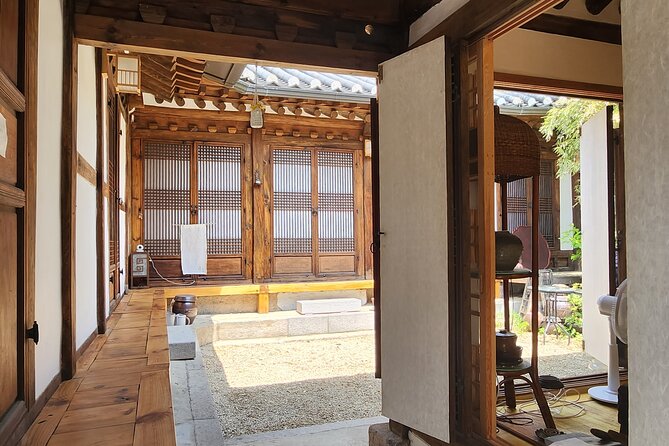
You meet your guide and group at 165 Anguk-dong in Jongno District. From there, the experience continues on foot through Bukchon Hanok Village, an area known for traditional Korean houses, craft workshops, and small shops.
The walk lasts about 40 minutes. That timing matters because Bukchon is not merely a route between the meeting point and the brewery. It gives your guide room to explain the neighborhood and point out traditional features along the way.
Bukchon can be hilly and requires a reasonable amount of walking, so wear comfortable shoes. The tour operates in all weather, meaning you should dress for the conditions rather than count on a sheltered route. A rainy evening may change the feel of the walk, but it does not cancel the basic plan unless the provider cannot meet the minimum group requirement.
The meeting point deserves extra attention. It is near public transportation, but the address may not be instantly obvious to someone new to Seoul. I would arrive early and keep the exact address available on your phone. This is one of those small travel details that can decide whether the first ten minutes feel calm or frantic.
Inside the workshop of a 10th-generation brewmaster
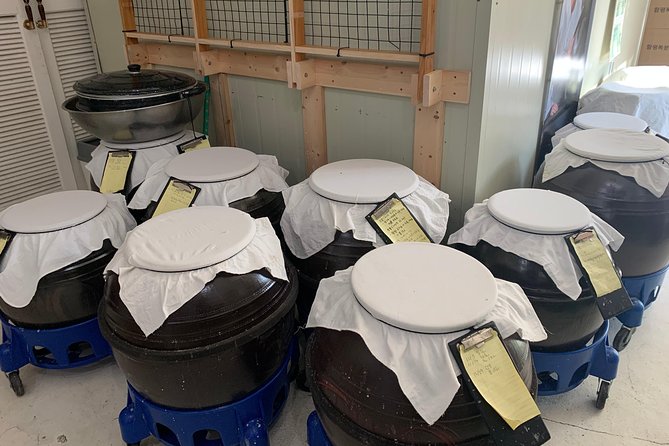
The workshop is the heart of the experience. Here you meet an artisan brewmaster and distiller whose family has practiced the craft for ten generations. He has been designated a Human National Treasure by the city of Seoul, which gives the visit unusual cultural weight.
The family recipe is described as secret, but the tour still offers a clear explanation of the process. You learn how traditional drinks begin with rice, how fermentation changes the character of the drink, and how distillation creates soju. The brewmaster also explains the different alcohol levels and the role each drink plays in Korean food culture.
This is especially useful if you have only encountered standard green-bottle soju. The tasting includes artisan versions and may include seasonal or experimental flavors. Specific examples described from past visits include grape yakju, with a character closer to wine, and mushroom-infused soju, which has a more earthy, whiskey-like profile.
The exact selection can change. That is a plus for repeat visitors, but it means you should not book expecting one fixed menu of bottles. One visit included experimental soju that was being made at the time. Another included four different alcoholic drinks. The point is the craft and comparison, not a guaranteed list of labels.
The brewmaster’s sense of humor also helps. Technical explanations can become dry, but the atmosphere here is described as relaxed and personal. You have the chance to ask questions, and a small group makes it easier to hear the answers and speak directly with the host.
Making sense of makgeolli, yakju, and soju
The tasting works best when you pay attention to contrasts rather than simply deciding which drink you like most.
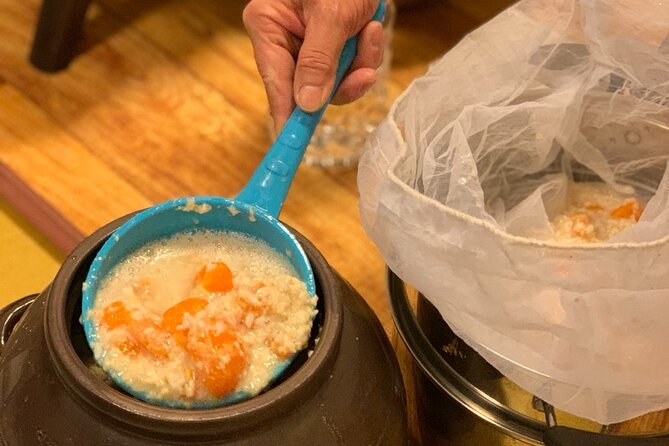
Makgeolli is the most visibly traditional of the three. It is milky and usually served with food. During the tour, you taste artisan makgeolli at the workshop and again with dinner. That second serving is useful because Korean rice wine can taste different beside stew, pancakes, pork, and side dishes than it does on its own.
Yakju is clearer and can show a wider range of flavors. The grape version described by one participant was especially memorable, with a wine-like profile. You may find it more approachable if you usually drink wine but are new to Korean alcohol.
Soju is distilled rather than simply fermented. The workshop explanation helps you understand why artisan soju can taste very different from inexpensive commercial soju. The mushroom-infused sample described by one participant had an earthy character, showing how broad the category can be.
The tasting is not just a sequence of glasses. It is a lesson in method, texture, alcohol strength, and pairing. If you enjoy brewing, distilling, or fermentation, this section may be the main reason to book. A professional brewer and a homebrewer both found the meeting with the master particularly worthwhile because they could ask about the production process directly.
Remember that you must be at least 21 to participate. Alcoholic drinks are included, but extra food and drinks are not.
Same place, a different glass:
- Pilsen: Pilsner Urquell Brewery Tour with Beer Tasting
★ 4.7 · 2,419 reviews - Prague: Staropramem Brewery Self-Guided Tour with Tasting
★ 3.7 · 2,106 reviews - Tennent’s Brewery Tours Ticket
★ 5.0 · 1,938 reviews - Hidden Brewery Caverns Tour in Cincinnati with Beer Tasting
★ 5.0 · 1,758 reviews
Dinner in Insadong, with more than 15 dishes
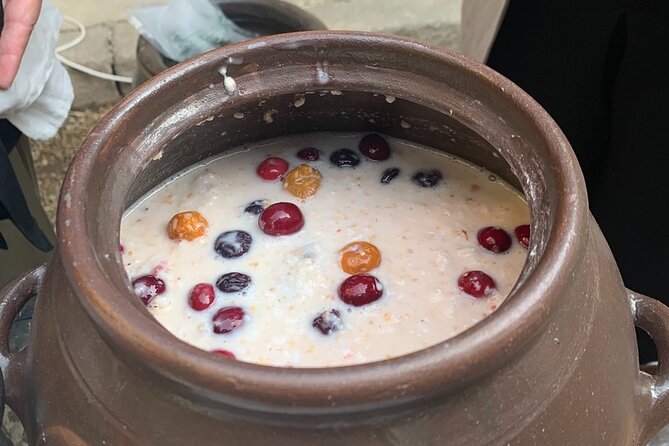
After the workshop, you walk toward Insadong and settle into a small local restaurant. The dinner is described as an upscale local meal at the brewery restaurant, with premium makgeolli included.
The food is substantial. You can expect doenjang jjigae, a savory Korean soybean paste stew; jeon, Korean-style pancakes; bossam, boiled pork belly; and a range of side dishes. One version of the meal included more than 15 different dishes and ingredients associated with tidal flats in Jeollanam-do.
That detail makes the meal more than a standard tourist dinner. Regional ingredients and seafood flavors give your guide something meaningful to explain, and you get a taste of how Korean meals are built around several shared plates rather than one large main course.
The dinner may be the surprise highlight. Several people singled it out as generous, delicious, and culturally interesting. One person enjoyed the meal but found some of the traditional seafood flavors less familiar. That is a fair warning. If you prefer plain food or dislike seafood, the dinner may require a more adventurous attitude.
Your guide explains the culinary background and points out how the makgeolli served at dinner differs from the versions tasted earlier. This is where the tour’s two halves come together. You are not drinking rice wine in isolation. You are learning how it fits beside stew, pork, pancakes, and fermented side dishes.
The quantity also matters. You should not expect a light tasting followed by a token plate. This is a hearty dinner, and the repeated makgeolli pours can add up quickly. Pace yourself, especially if you are not used to Korean alcohol.
The guides make the evening work
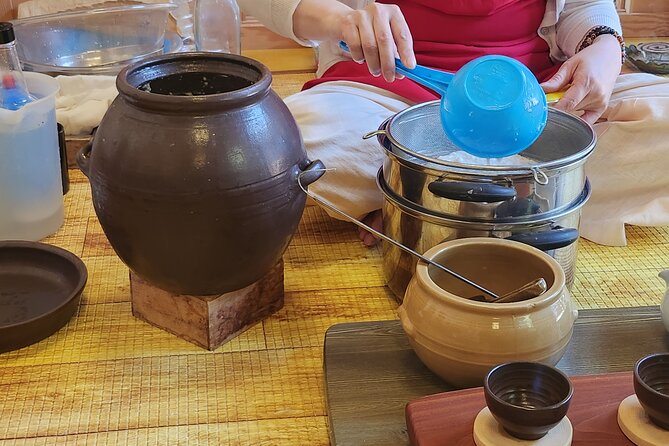
The guide is more than a person who walks you from one address to another. You rely on the guide to translate, explain the brewing process, introduce the neighborhood, and help you understand the dinner.
Veronica is repeatedly praised for her warmth, humor, English, and practical suggestions for other things to do in Seoul. She has also led very small bookings, including a couple traveling alone and a private group of five. That means the experience can still work when the group is tiny.
Jay is also described as attentive and fluent in English. One participant with professional brewing experience particularly valued the chance to speak with Mr. Kim, the brewmaster, through Jay’s help.
The guide may change, but the important point is that this experience depends on good interpretation. If the brewing discussion were not translated clearly, much of its value would be lost. The strong feedback about Veronica and Jay suggests that the tour provider understands this.
A small group helps here. The published maximum is 12 people, while the highlights refer to 15, so the exact cap appears to vary by description. In either case, this is not a large bus tour. A smaller group gives you more room for questions and makes the workshop feel more like a visit than a presentation.
What the $150 price includes
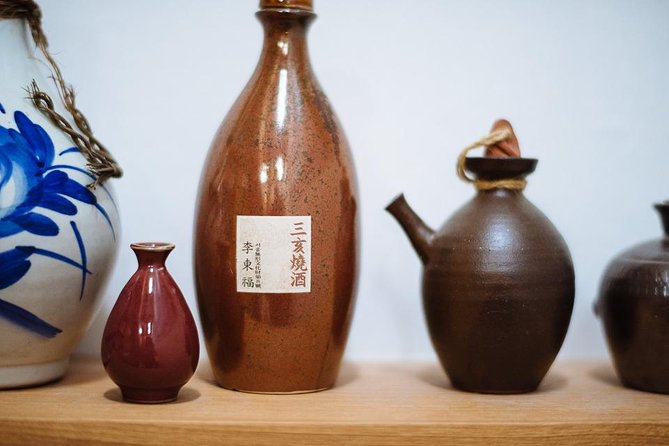
At $150 per person, this is not a bargain alcohol crawl. You are paying for a guided cultural experience with a professional interpreter, several traditional drinks, a workshop visit, and a full dinner.
The value is strongest if you would otherwise need separate bookings to find an artisan brewery, arrange a tasting, and locate a traditional restaurant. Here, the guide connects all three parts and explains what you are tasting. The included food also appears generous, not an afterthought.
The price is harder to justify if you only want inexpensive soju or a quick meal. Seoul offers cheaper ways to drink and eat. This experience makes sense for you if you value access, explanation, and a small group more than the lowest possible cost.
It is also useful early in your Seoul visit. The walk through Bukchon and Insadong helps you get familiar with central neighborhoods, and the food discussion can shape later restaurant choices. Veronica has offered dining suggestions during the tour, adding some practical value beyond the scheduled stops.
Who should book this experience
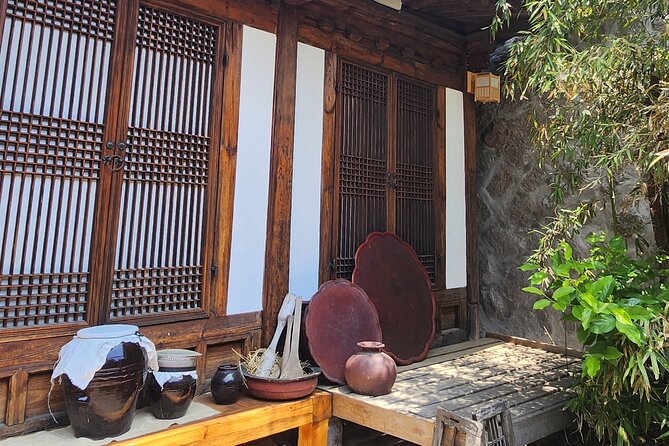
I would recommend it to adults who enjoy food culture, traditional crafts, fermentation, and guided tastings. It is a particularly good match for:
- People curious about the difference between makgeolli, yakju, and soju
- Homebrewers, professional brewers, and anyone interested in distillation
- Visitors who prefer local workshops and small restaurants to polished tourist shows
- Couples, families with adult children, and small private groups
- First-time visitors who want a guided introduction to Bukchon and Insadong
- Adventurous eaters who are open to regional seafood and many shared dishes
I would think twice if you dislike alcohol, have limited walking ability, or want complete control over the dinner menu. The tour also requires at least two people per booking. Solo visitors are asked to contact the provider individually.
The tour is accessible to most people, but the walking route and weather policy still matter. It ends back at the original meeting point, which is convenient for getting your bearings and continuing your evening nearby.
Cancellation and planning details
You receive confirmation when booking. Free cancellation is available up to 24 hours before the start time. Changes or cancellations made inside that window are not accepted for a refund.
The experience lasts about two hours and 30 minutes. Hotel pickup and drop-off are not included, so you make your own way to Anguk-dong and return to the same meeting point at the end.
Because it is booked about 32 days ahead on average, I would reserve early if your Seoul dates are fixed. Minimum numbers apply, and the provider may cancel after confirmation if too few people sign up. In that case, you are offered an alternative or a full refund.
Should you book the Korean Brewery tour?
Book it if you want a personal introduction to Korean drinking culture rather than a simple night out. The combination of a 10th-generation brewmaster, artisan samples, a Bukchon walk, and a substantial Insadong dinner gives you plenty for the price.
The strongest reasons to go are the workshop access and the food. You get to taste unusual drinks such as seasonal yakju or experimental soju, then see how makgeolli works with a full Korean meal. The main cautions are the unclear meeting directions, required walking, 21-plus age rule, and premium price.
Arrive early, wear comfortable shoes, and do not eat a large meal beforehand. If those details suit you, this is one of Seoul’s better choices for learning through food and drink.
FAQ
How long does the Korean Brewery experience last?
The experience lasts approximately two hours and 30 minutes.
Where does the tour start and end?
It starts at 165 Anguk-dong, Jongno District, Seoul, South Korea, and ends back at the original meeting point.
What drinks are included?
The tasting includes traditional makgeolli, yakju, and artisan soju. Alcoholic beverages are included in the tour price.
What food is served at dinner?
The meal includes doenjang jjigae, jeon, bossam, various side dishes, and premium makgeolli. The restaurant may serve more than 15 dishes and ingredients connected with Jeollanam-do tidal flats.
Is there an age requirement?
Yes. The minimum age is 21.
What is the maximum group size?
The additional information gives a maximum of 12 participants per booking. The highlights describe the experience as limited to 15 people, so the exact group size may vary by departure.
Is hotel pickup included?
No. You make your own way to the meeting point, and hotel pickup and drop-off are not included.
Just added around the world
- Zaanse Schans: Brewery HOOP Tour and Tasting★ 3.4 · 4 reviews
- Zurich Beer Tour – tasting tour with a local beer expert★ 5.0 · 3 reviews
- Warstein: Warsteiner World Brewery Tour★ 4.6 · 3 reviews
- Wroclaw: Guided Tour & Beer Tasting (2 hours)★ 3.4 · 6 reviews
- Würzburg: Unique Brewery Tour with Beer Tasting★ 5.0 · 2 reviews
- DAILY Beer Tasting Private Guided Tour at Best Warsaw Pubs★ 3.9 · 8 reviews
- Warsaw: Guided Craft Beer Tour with a Friendly Guide★ 5.0 · 4 reviews
- Waiheke Island: HEKE Distillery & Brewery Tour with Tastings★ 5.0 · 2 reviews