
Review · CHINA
Unlock Chinese Tea: Culture, Science, Tasting & Hands-on Brewing
Tea tells China’s story one cup at a time. This 2.5-hour workshop in Shanghai offers a focused look at Chinese tea through tasting, history, science, and practice, led by Max, an English-speaking cultural guide and tea specialist. I like the small group format, limited to seven people, and I like that you do more than sip: you handle gaiwans, clay pots, and other tea ware yourself. The main consideration is the price, $72 per person, which is fair for a personal workshop but more than a casual tea tasting.
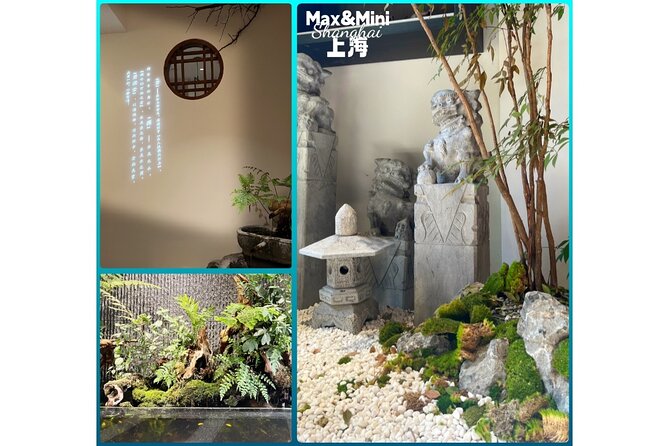
The setting is a private room in a cozy tea house near Shanghai’s Old Town. You’ll taste several Chinese teas, sample traditional tea snacks, and learn how processing creates different colors, smells, and flavors. Max’s teaching style is friendly and practical, though anyone hoping for a broad Shanghai sightseeing tour should know that this is primarily a seated tea class.
Five things to know before booking
- Max leads every session: His background includes work as a PayPal ESG lead and senior trainer, followed by certification as an English cultural guide.
- You taste several tea styles: The session introduces China’s six major tea categories, with practical comparisons across different cups.
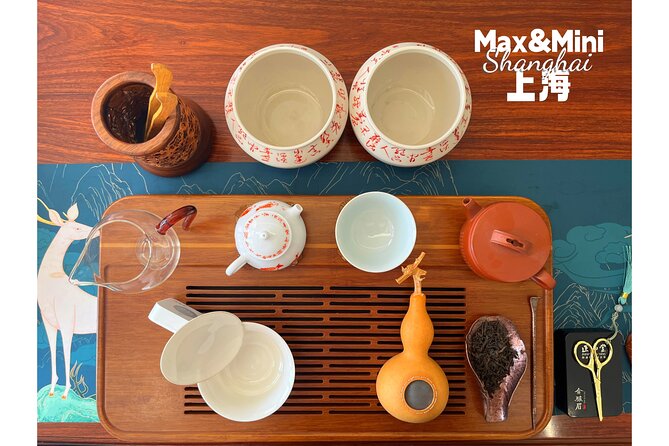
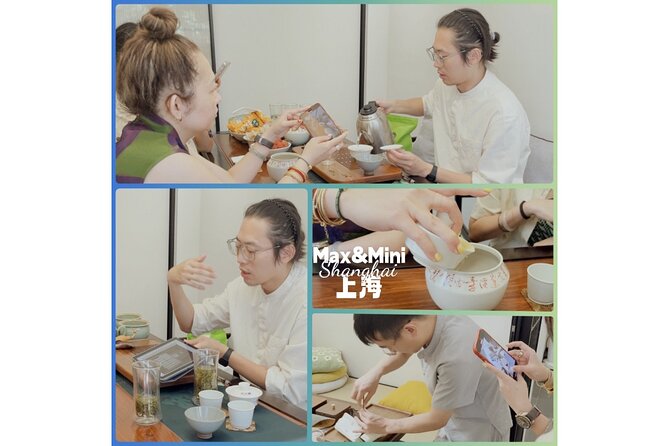
- You brew the tea yourself: Gaiwans, clay pots, and other tea ware turn the class into a hands-on lesson rather than a demonstration.
- The group is capped at seven: Small numbers allow time for questions and individual brewing practice.
- Tea snacks are included: Expect snacks such as seasonal fruit, including pomelo, alongside the tea.
- The meeting point is in the Old Town area: The workshop begins and ends at Ninghai Guesthouse, at 149 Nong, 100 Nanchezhan Road.
Why this Shanghai tea workshop is different
Many tea stops in China are built around buying tea. This experience takes another route. It treats tea as a subject to understand, taste, and practice.
You begin with the basics: where tea came from, how it changed from an herbal preparation into an everyday drink, and how tea developed through Chinese dynasties. That historical frame gives the tasting more meaning. A green tea and a black tea are not simply different colors. They are products of different leaves, processing methods, oxidation levels, and brewing choices.
Max also brings in the science behind the cup. The aim is not to turn the class into a chemistry lecture, but to explain why one tea may taste fresh and grassy while another feels deeper, sweeter, or more roasted. If you are new to tea, this helps you put words to what you taste. If you already drink Chinese tea, the class gives you a clearer system for comparing it.
The tone appears to be relaxed and conversational. Max’s previous work as a trainer is useful here. He is described as approachable, well prepared, and willing to answer questions rather than rushing through a fixed script. That matters in a small workshop, where your interests can shape the discussion.
More Beer Tastings in the world:
- Bruges: Guided Tour & Boat Ride with Optional Beer Tasting
★ 4.4 · 3,894 reviews - Prague: Pilsner Urquell Experience & Beer Tasting
★ 4.7 · 3,480 reviews - Cologne: Brewery Tour with 3 Kölsch Beer Tastings
★ 4.7 · 3,108 reviews
Starting near Shanghai’s Old Town
The activity begins at Ninghai Guesthouse, located at 149 Nong, 100 Nanchezhan Road, in Shanghai’s Huangpu District. The listed meeting point places you near the Old Town area, but this is not a walking tour through Old Town streets. The main activity takes place inside the tea house room.
The location is close to public transportation, which makes it practical for a scheduled afternoon or morning activity. Give yourself time to find the address, especially if you are not used to Shanghai’s lane-style addresses. The written address includes Chinese characters, so keeping the exact location available on your phone is sensible.
The workshop ends at the same meeting point. That is useful if you have another reservation afterward, since you will not need to arrange a separate return transfer. The total session lasts about two and a half hours, so it fits well between other Shanghai plans, but it is long enough that you should not treat it as a quick stop.
Tasting five or six Chinese tea styles
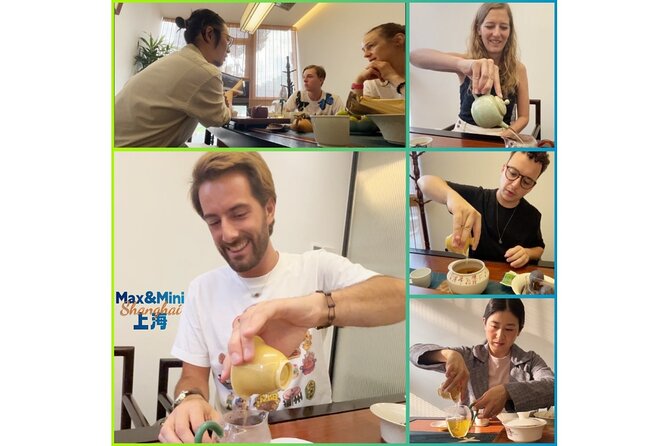
The tasting is the heart of the class. You sample several teas with different appearances, aromas, textures, and brewing needs. The session covers China’s six major tea categories: green, black, oolong, white, yellow, and dark tea.
The exact number of samples can vary. The activity description refers to several Chinese teas, while the experience details and comments describe tastings of five different types and a presentation involving six teas. Either way, you should expect a broad introduction rather than one long session devoted to a single tea.
This comparison is especially useful for beginners. When you taste teas one after another, differences become easier to notice. You can pay attention to color, fragrance, bitterness, sweetness, body, and the aftertaste that remains after swallowing.
The workshop also teaches a basic tasting vocabulary. You do not need to arrive with specialist terms. The point is to help you recognize what is in the cup and understand why the tea behaves differently when brewed.
For experienced tea drinkers, the value comes from comparison and conversation. You can ask about production, brewing temperatures, tea ware, or the cultural role of different teas. A past one-to-one session even allowed time for a more personal exchange, suggesting that Max can adjust the pace when the group is very small.
From herbal remedy to everyday drink
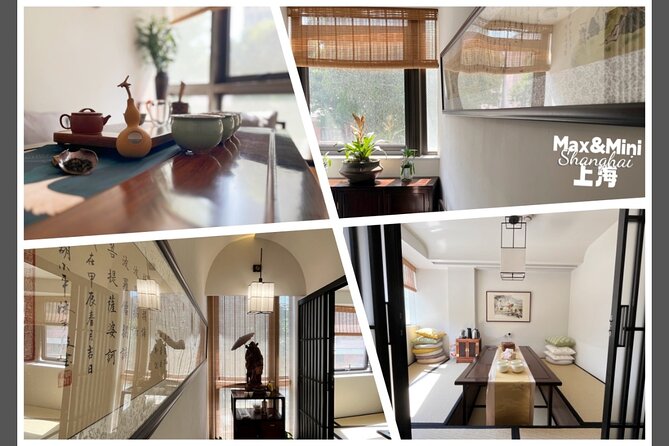
Tea has a long place in Chinese culture, and this class connects the drink to that larger story. You learn how tea changed over time, from an herbal use to a regular part of daily life and social customs.
The historical material is not presented as a separate lecture with no connection to the tasting. Instead, the story helps explain why tea preparation matters. Chinese tea culture includes methods, manners, equipment, and ideas about hospitality. The small gestures around a cup can carry as much meaning as the liquid itself.
The class also introduces the six broad tea categories and explains how processing shapes the final drink. This is one of the most useful parts for anyone planning to buy tea in China. Labels can be confusing, and tea names often tell you less than you expect. Understanding the basic categories gives you a starting point for asking better questions.
You should not expect a full survey of every province, famous tea mountain, or dynasty. Two and a half hours allows for a clear foundation, not a university course. Still, the mix of history and tasting gives the session more substance than a simple demonstration.
More Workshops in the world:
- Bruges: Belgian Waffle-Making Workshop with Beer Tasting
★ 4.9 · 960 reviews - Brussels: Belgian Waffle Making Workshop with Beer Tasting
★ 4.9 · 308 reviews - Ghent: Belgian Waffle-Making Workshop with Beer Tasting
★ 4.8 · 256 reviews - Bruges: Belgian Chocolate Making Workshop with Beer Tasting
★ 4.9 · 203 reviews
Brewing with gaiwans and clay pots
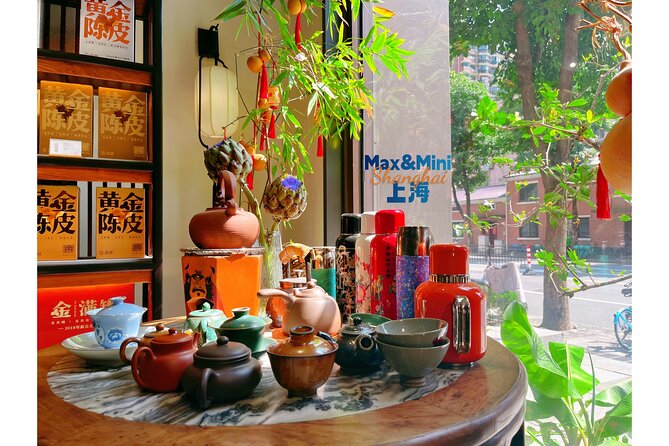
The practical section is what makes this more than a presentation. You practice traditional brewing methods using different tea ware, including gaiwans and clay pots.
A gaiwan is a lidded Chinese brewing bowl that lets you control the leaves, water, and pour. It can look simple, but new users often need a little practice to hold it comfortably and pour without catching the leaves. A guided session gives you room to try it without feeling awkward.
Clay pots bring another set of choices. The shape and material affect how tea is brewed and served, and different vessels suit different tea styles. The class helps you see that tea ware is not just decoration. It is part of the method.
Etiquette is included as well. You learn how tea is handled and shared, rather than simply being shown a perfect brewing performance. That learn-by-doing approach is valuable because you can repeat it at home with modest equipment.
I would pay attention to the brewing instructions and take notes if you want to use the lessons later. The practical focus is intended to give you enough confidence to brew Chinese tea after returning home, even if you do not own a full collection of traditional tea ware.
Tea snacks, pomelo, and the social side
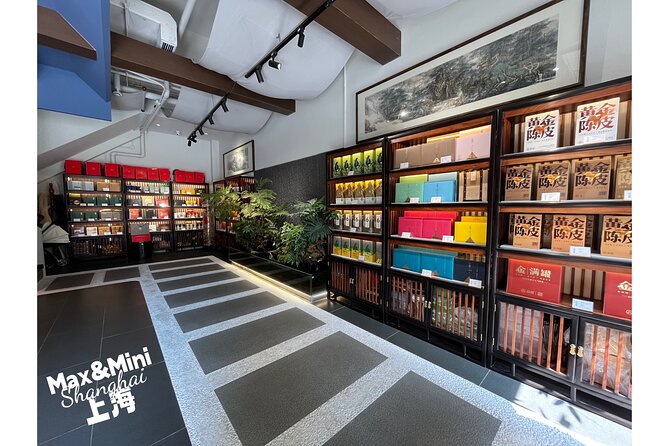
Tea is rarely just a drink in China. The food served with it helps show how tea fits into ordinary social life.
Snacks are included, and one session featured seasonal pomelo along with other tea snacks. The food is not presented as a full meal, so eat beforehand if you need lunch or dinner. Its role is to add context and provide something to compare with the tea.
A sweet, sour, or juicy snack can change how you notice a tea’s bitterness or finish. That makes the snack portion more useful than a simple extra. It also keeps the workshop from becoming a nonstop lecture.
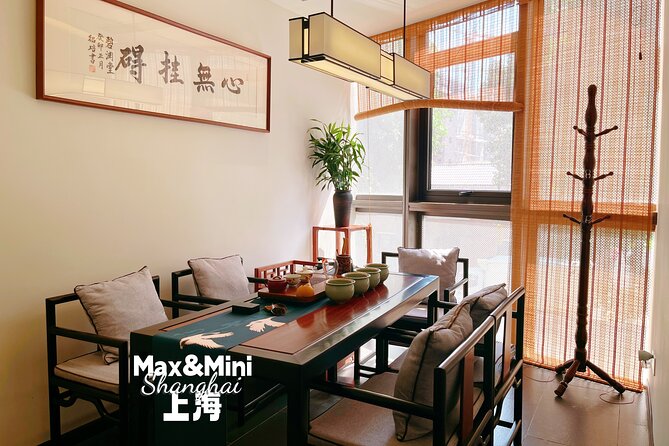
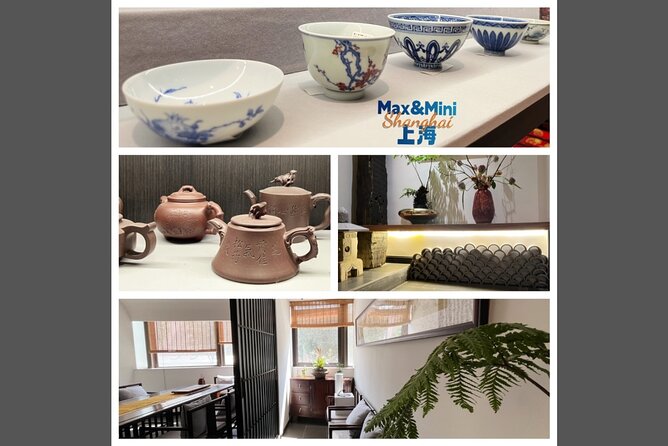
The tea house room is air-conditioned and set up with practice tea ware. That makes the session comfortable in Shanghai’s warmer months and gives you a dedicated place to work through the brewing exercises. The room is private and cozy, but the experience is still a group activity unless your booking happens to be a solo or very small session.
Max’s teaching style and the group size
Max is the only guide for this experience. His professional training background helps explain why the workshop places so much emphasis on interaction and clear instruction.
The strongest feature here is access to the guide. With a maximum of seven people, you can ask questions without competing with a large crowd. You also have a better chance to handle the tea ware yourself and receive corrections during brewing.
The small size has a trade-off. The experience depends heavily on Max’s presentation and your interest in asking questions. If you prefer a large, theatrical demonstration with several instructors and a busy tea market atmosphere, this may feel quiet and concentrated.
That quiet pace will suit you if you want to understand what you are drinking. It also works well for solo visitors, couples, and small groups of friends. The experience has accommodated one-to-one sessions, though the standard format allows up to seven participants.
Is $72 a fair price?
At $72 per person, this is not the cheapest way to drink tea in Shanghai. You can certainly order tea at a local shop or tea house for far less.
The price makes more sense when you count what is included: roughly two and a half hours with an English-speaking specialist, several tea samples, historical and scientific explanations, snacks, a private air-conditioned room, and hands-on access to traditional tea ware. You are paying for instruction and personal attention, not just beverages.
The value is strongest if you want to understand Chinese tea beyond the first cup. You leave with a framework for tasting and brewing, plus enough background to make future tea purchases less intimidating.
It is weaker value if you only want a quick cultural photo stop or a single premium tea service. In that case, a regular tea house visit may suit you better. This workshop earns its price through time, teaching, and participation.
Who should book this experience?
I would recommend it to first-time visitors who want a cultural activity that does not require a full day. It is also a good match for tea drinkers who want to improve their tasting skills or learn traditional brewing methods.
The class suits solo visitors particularly well because the small format leaves room for questions. Couples and small groups can also enjoy it, especially if everyone is willing to take turns brewing.
Families with older children may find it interesting, though the supplied information does not specify a minimum age. Service animals are allowed, and the location is near public transportation.
You may want to skip it if you dislike seated workshops, already have advanced tea training, or want an activity centered on Shanghai’s streets and landmarks. The Old Town location helps with orientation, but the experience itself is about tea rather than sightseeing.
Booking details worth knowing
A mobile ticket is available, and confirmation is provided when you book. Group discounts are listed, so larger small groups should check the available rate before paying separately.
The activity is free to cancel up to 24 hours before the start time for a full refund. Cancellations made within 24 hours are not refunded, and changes during that period are not accepted. The cut-off follows Shanghai local time.
Tips for Max are not included. If you feel the instruction and hospitality added value, a tip is an optional way to show appreciation.
Should you book Max’s tea workshop?
Book it if you want a careful, personal introduction to Chinese tea and prefer learning by doing. The combination of history, science, tasting, snacks, and brewing practice gives you more than a standard tea service, while the seven-person limit keeps the session approachable.
I would especially choose it early in a Shanghai visit. The lessons can sharpen your palate and help you make more sense of tea shops, restaurant tea service, and Chinese hospitality during the rest of your stay.
Skip it if you are looking for a fast stop, a sightseeing walk, or the lowest-cost cup of tea. For everyone else, $72 is a reasonable price for focused teaching, several tea styles, and the chance to brew with traditional equipment under Max’s guidance.
FAQ
Where does the Chinese tea workshop begin?
It begins at Ninghai Guesthouse, at 149 Nong, 100 Nanchezhan Road, Huangpu District, Shanghai. The address is also provided in Chinese as 宁海招待所 China, Shanghai, Huangpu District, Nanchezhan Road 149 Nong 100.
Where does the experience end?
The activity ends at the same meeting point where it begins.
How long does the workshop last?
The experience lasts approximately two hours and 30 minutes.
How much does the workshop cost?
The listed price is $72 per person.
How many people can join?
The maximum group size is seven travelers.
What kinds of tea are covered?
The workshop introduces China’s six major tea categories: green, black, oolong, white, yellow, and dark tea. You taste several different Chinese teas during the session.
Is tea included in the price?
Yes. Tea is included, along with tastings of various Chinese teas.
Are snacks included?
Yes. Snacks are provided, and seasonal fruit such as pomelo may be served.
Can I cancel for a refund?
You can cancel at least 24 hours before the experience starts for a full refund. Cancellations made less than 24 hours before the start time are not refunded.
Just added around the world
- Zaanse Schans: Brewery HOOP Tour and Tasting★ 3.4 · 4 reviews
- Zurich Beer Tour – tasting tour with a local beer expert★ 5.0 · 3 reviews
- Warstein: Warsteiner World Brewery Tour★ 4.6 · 3 reviews
- Wroclaw: Guided Tour & Beer Tasting (2 hours)★ 3.4 · 6 reviews
- Würzburg: Unique Brewery Tour with Beer Tasting★ 5.0 · 2 reviews
- DAILY Beer Tasting Private Guided Tour at Best Warsaw Pubs★ 3.9 · 8 reviews
- Warsaw: Guided Craft Beer Tour with a Friendly Guide★ 5.0 · 4 reviews
- Vienna: Private Austrian Beer Tasting Tour in the Old Town★ 5.0 · 2 reviews
China Brewery Tours, compared.
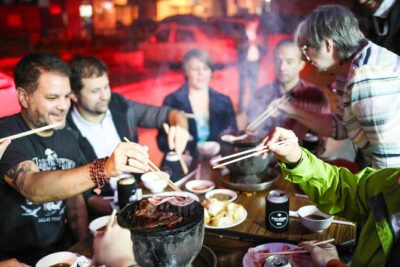
Beijing Hutong Walking Food and Beer Tour at Hidden Restaurants
Read our review →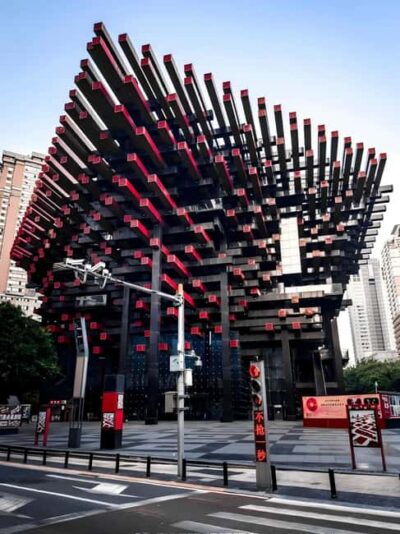
Chongqing deep explore & private car service including meals
Read our review →

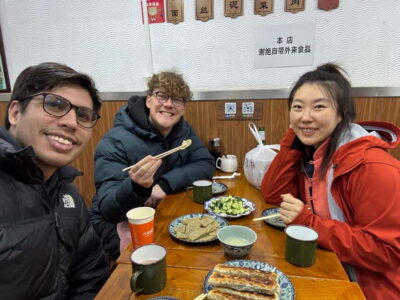
Beijing Hutong Dinner and Beer Walking Private Tour
Read our review →
Shanghai craft beer tour with local food tastings
Read our review →
Private Beijing Night Tour with Mr. Shi’s Dumplings, Great Leap Brewing and Houhai Lake
Read our review →Browse the lists this tour appears in